Dan Brown
American thriller writer whose Robert Langdon novels, including The Da Vinci Code, combine codes, art history and conspiracy theories.
Notable work: The Da Vinci Code
About Dan Brown
Dan Brown was born in Exeter, New Hampshire, in 1964 and grew up on the campus of Phillips Exeter Academy, where his father taught mathematics. After Amherst College he returned to Phillips Exeter as an English teacher, then quit teaching in 1996 to write full time. His first novel, Digital Fortress (1998), is a techno-thriller about government surveillance of private electronic data. Angels & Demons (2000) introduced Robert Langdon, a Harvard expert in symbology, and Deception Point (2001) was another standalone.
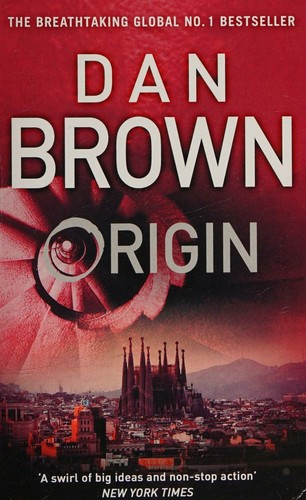
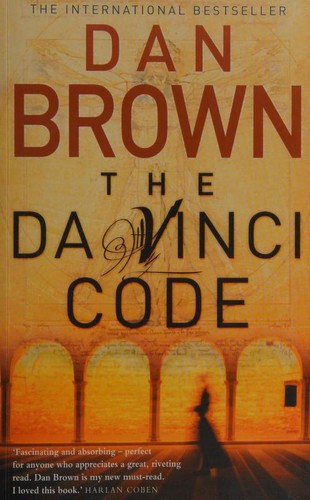
The Da Vinci Code (2003) went to the top of the New York Times list in its first week and became one of the best-selling American novels; in 2006 his publisher, Random House, won a copyright case brought by Michael Baigent and Richard Leigh, who claimed he had taken ideas from their earlier book. Langdon returned in The Lost Symbol (2009), set in Washington, D.C., and built around Freemasonry, then in Inferno (2013), Origin (2017) and The Secret of Secrets (2025). The books follow a set pattern: the action usually unfolds within about 24 hours and turns on cryptography, art and conspiracy theories. Angels & Demons, The Da Vinci Code and Inferno became films, and The Lost Symbol a 2021 television series.
Where to Start With Dan Brown
Either of the first two Langdon novels works as a way in. Angels & Demons introduces Langdon and his methods; The Da Vinci Code is the better-known book and the one that fixed the template for the rest. Each has its own self-contained mystery, so starting with The Da Vinci Code costs little, and Angels & Demons can be read afterward without confusion.
After those two, continue in publication order with The Lost Symbol, Inferno, Origin and The Secret of Secrets. Treat Digital Fortress and Deception Point as optional. Neither features Langdon, both came out before The Da Vinci Code made his name, and they are best saved for readers who want more of the same formula.
How the Books Connect
The six Langdon books form a loose series rather than a serial. Each case is complete, but some details carry over (The Lost Symbol, for example, is set after the events of The Da Vinci Code), so publication order is the safe default: Angels & Demons, The Da Vinci Code, The Lost Symbol, Inferno, Origin, The Secret of Secrets. Digital Fortress and Deception Point stand alone and can be read at any point. Wild Symphony (2020) is a book that accompanies a symphonic work he composed.
Key Works
- Digital Fortress (1998)
- Angels & Demons (2000)
- Deception Point (2001)
- The Da Vinci Code (2003)
- The Lost Symbol (2009)
- Inferno (2013)
- Origin (2017)
- The Secret of Secrets (2025)
Books by Dan Brown




All books loaded